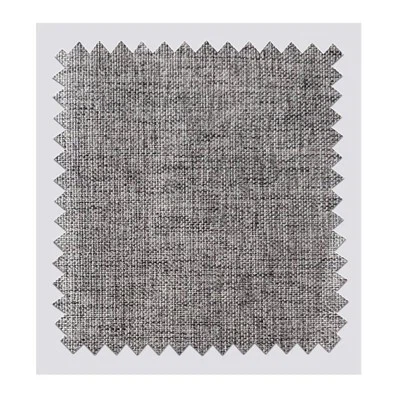
Is jute a suitable curtain fabric? Well, that's a question I've been asked a bunch of times as a curtain fabric supplier. I'm here to break it down for you and give you the lowdown on whether jute is the right choice for your curtains.
Let's start with the basics. Jute is a natural fiber that comes from the jute plant. It's been around for ages and has been used in all sorts of things, from ropes to sacks. But in recent years, it's really started to gain popularity as a curtain fabric. And for good reason!
One of the biggest perks of jute as a curtain fabric is its natural look and feel. It has this warm, earthy tone that can instantly add a touch of rustic charm to any room. Whether you've got a modern, minimalist space or a cozy, traditional home, jute curtains can fit right in. They give off this laid - back, bohemian vibe that a lot of people are really into these days.
Another great thing about jute is its durability. Jute fibers are pretty tough, which means your jute curtains are going to last a long time. They can withstand a bit of wear and tear, so you don't have to worry about them getting damaged easily. And if you've got kids or pets running around, that's a huge plus! You won't have to replace your curtains every few months because they've been tugged on or scratched.
When it comes to light control, jute does a decent job. It's not completely opaque, so it won't block out all the light like some heavy - duty blackout curtains. But it does filter the sunlight nicely, creating a soft, diffused glow in the room. This can be really nice during the day, especially if you want to let in some natural light without it being too harsh. And at night, it still provides a bit of privacy, although not as much as a thicker fabric.
Now, let's talk about the texture. Jute has a unique, slightly rough texture that gives it character. Some people love this texture because it adds an extra layer of visual interest to the curtains. It's not like a smooth, silky fabric; it's got a bit of a "handmade" look to it. However, this texture might not be for everyone. If you prefer a more polished, refined look, you might find the jute's texture a bit too rustic.
In terms of maintenance, jute is relatively easy to care for. You can usually just vacuum it gently to get rid of dust. And if it gets a little dirty, you can spot - clean it with a mild detergent and water. But be careful not to soak it too much, as jute can shrink or lose its shape if it gets too wet.
One thing to consider is the color. Jute typically comes in natural earthy colors like beige, brown, and tan. While these colors are very versatile and can match a lot of different color schemes, if you're looking for a really bright, bold color for your curtains, jute might not be the best option. You can find dyed jute fabrics, but the color selection might be a bit more limited compared to other curtain materials.
Now, let's see how jute curtains stack up against some other popular curtain options. For example, take a look at Superior Roman Shades. These are often made from a variety of fabrics, including some that offer more precise light control and a wider range of colors. But jute curtains have that natural, organic appeal that you just can't get with some synthetic materials.
Blinds To Go Roman are also a popular choice. They're known for their functionality and sleek appearance. But again, jute curtains bring a different kind of aesthetic to the table. They're more about creating a relaxed, inviting atmosphere.
And then there are Woven Roman Shades. Some woven shades can offer similar textures and natural looks, but jute has its own distinct character. Each jute curtain has its own unique imperfections that add to its charm.
If you're still on the fence about whether jute is a suitable curtain fabric for you, here are a few things to think about. First, consider the style of your room. If you're going for a natural, eco - friendly look, jute is a no - brainer. It pairs well with wooden furniture, plants, and other natural elements. Second, think about your light control needs. If you want complete darkness at night, you might want to use jute curtains in combination with blackout liners or other blinds.


In conclusion, jute can be a really great curtain fabric, but it's not for everyone. It has its own set of pros and cons, just like any other material. If you're someone who appreciates natural materials, a rustic look, and don't mind a bit of a rough texture, then jute might be the perfect choice for your curtains.
If you're interested in sourcing jute curtains or other curtain fabrics, I'd love to have a chat with you. Reach out for a procurement discussion, and we can figure out the best options for your needs.
References
- General knowledge of curtain fabrics and jute properties from industry experience.
- Observations of market trends and customer preferences.