



Roller Blind Fabric
Why choose us?
LISHUN: Your Professional Roller Blind Fabric manufacturer!
R & D Capabilities
We have a professional R & D team. They have deep industry knowledge and rich practical experience, and can quickly respond to market demand, to develop forward-looking and practical products and technology solutions.
Customizable Service
Our Custom Services team will work closely with you to gain a deep understanding of your business objectives, operating model and market challenges. Based on this information, we will tailor a unique service package for you, ensuring that each service can accurately meet your specific needs.
High Quality
We have advanced production equipment and technology, and adopt strict quality control standards to ensure the production of high-quality products.
Sustainable Development
We pay attention to environmental protection and sustainable development, and take various measures to reduce environmental impact.
-
![150*300oxford White Coating]() 150*300oxford White Coating
150*300oxford White CoatingProducts name: LS002278
Read More
composition: 100% Polyester
width: 200cm
weight: 285g/m2 -
![300*300oxford White Coating]() 300*300oxford White Coating
300*300oxford White CoatingProducts name: LS23011
Read More
Composition: 100% Polyester Oxford
Width Range: 1.5m – 3.2m (custom width available)
Weight: 400GSM
Weave Density: 300×300 for enhanced strength and... -
![300*600oxford White Coating]() 300*600oxford White Coating
300*600oxford White CoatingProducts name: LS23012
Read More
Composition: 100% Polyester Oxford
Width Range: 1.5m – 3.2m (custom width available)
Weight: 400GSM
Weave Density: 300×600 for enhanced strength and... -
![Coating Roman Blind Fabric]() Coating Roman Blind Fabric
Coating Roman Blind FabricComposition: 100% High-Grade Polyester
Read More
Technics / Process: Flocking
Width: 300cm (Standard Extra-Wide)
Weight: 290g/sqm (High Density)
MOQ: 500-800 Meters (Custom colors... -
![Coating Roller Blind Fabric]() Coating Roller Blind Fabric
Coating Roller Blind FabricComposition: 100% polyester
Read More
Shading Level: Semi-blackout / Full blackout
Width: 300 cm
Weight: 380g Customizable
Fire Retardant: Optional
Process: foaming+scraping -
![150*300oxford Transmitting]() 150*300oxford Transmitting
150*300oxford TransmittingProfessional Roller Blind Fabric Manufacturer in China | Custom Coating and Width Options
Read More
Products name: LS002276
Composition: 100% Polyester
Width Available: 1.5m –... -
![150*300oxford Silver Coating]() 150*300oxford Silver Coating
150*300oxford Silver CoatingProducts name: LS002279
Read More
composition: 100% Polyester
width: 200cm
weight: 285g/m2 -
![Jacquard White Coating]() Jacquard White Coating
Jacquard White CoatingElegant Textured Roller Blind Material | Custom White Coated Fabric Manufacturer in China
Read More
Products name: LS23014
composition: 100% Polyester
width: 300cm
weight: 440g/m2 -
![600*600oxford White Coating]() 600*600oxford White Coating
600*600oxford White CoatingProducts name: LS23015
Read More
composition: 100% Polyester
width: 300cm
weight: 440g/m2
Color Customization: Accepts color sample matching and Pantone color... -
![Jacquard Bamboo Transmitting]() Jacquard Bamboo Transmitting
Jacquard Bamboo TransmittingProducts name: LS202401
Read More
Composition: 100% Polyester
Width: 250cm
Weight: 170g/m2 -
![Yarn-dyed White Coating]() Yarn-dyed White Coating
Yarn-dyed White CoatingProducts name: LS202404
Read More
Composition: 100% Polyester
Width: 300cm
Weight: 380g/m2 -
![21*21 Polyester Transmitting]() 21*21 Polyester Transmitting
21*21 Polyester TransmittingProducts name: LS202409
Read More
Composition: 100% Polyester
Width: 200/cm-250/cm
Weight: 170GSM

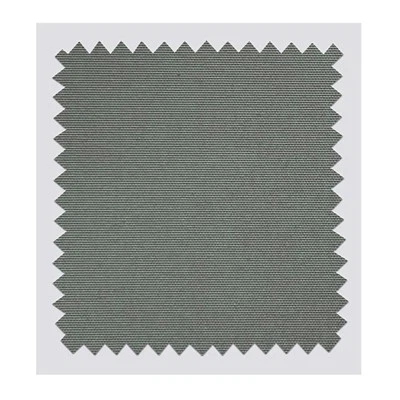


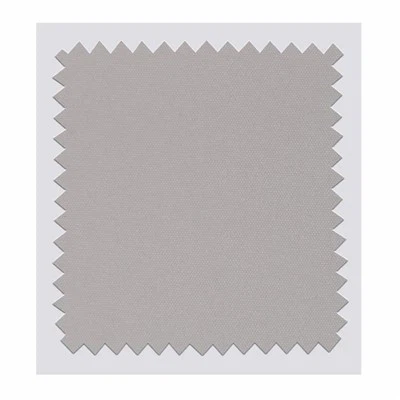
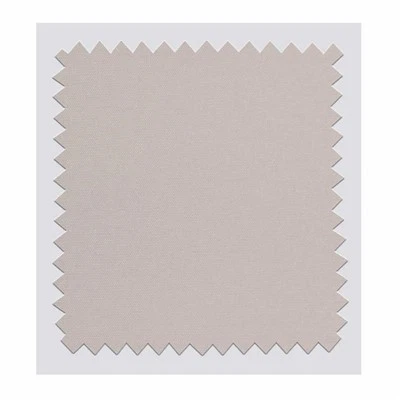

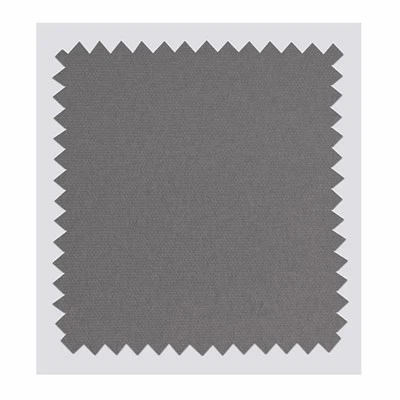

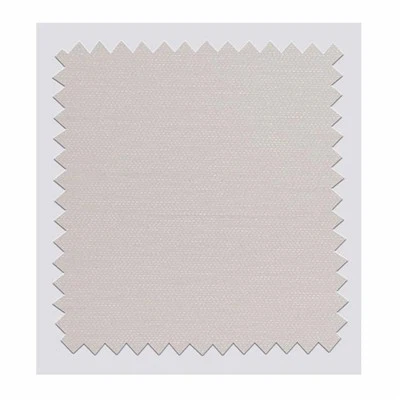

what is Roller Blind Fabric
Roller blinds are typically made from polyester, vinyl, or polyvinyl chloride (PVC). Blended fabrics, such as 80% polyester and 20% cotton, are also available.
The best fabric for roller blinds depends on the environment they will be used in. For example, acrylic canvas is a good choice for outdoor roller blinds because it's durable, protects from the sun, and can block UV rays.
Features of Roller Blind Fabric
Style
Roller blinds can be semi-transparent, blackout, splash-resistant, paper woven, or waterproof.
Functionality
Roller blinds can provide privacy and light control. Some roller blinds have a cordless lift system for added safety.
Durability
Luxury roller shade fabrics are designed to resist wear and tear, and maintain their color and texture over time. Cheaper fabrics may show signs of wear sooner.
Sustainability
Some roller blind fabrics are made from sustainable materials, such as recycled ocean plastic waste
Types of Roller Blind Fabric
Roller blind fabric is a key material for making roller blinds. It not only affects the appearance of the roller blinds, but also determines its functional characteristics, such as light blocking, light transmission and easy cleaning. Here are several common types of roller blind fabrics:
Polyester fabric
Polyester is a very popular roller blind fabric material. It has excellent durability, a variety of colors and patterns to choose from. Polyester fabric is easy to maintain and relatively inexpensive, making it very suitable for home use. In addition, it has a certain waterproof performance and is suitable for use in humid environments such as kitchens or bathrooms.
01
PVC fabric
PVC fabric is a waterproof material that is often used to make waterproof or stain-resistant roller blind fabrics. It has high strength and durability and is suitable for use in humid environments such as kitchens or bathrooms. The light transmission of PVC fabric can be adjusted as needed, from completely opaque to semi-transparent.
02
Cotton and polyester blend fabric
Some roller blind fabrics are made of a blend of 80% polyester and 20% cotton, which combines the softness of cotton with the durability of polyester. Cotton and polyester blends usually have good air permeability and moisture absorption, suitable for use in areas such as bedrooms or living rooms that require good air circulation.
03
Aluminum foil fabrics
These freezers are built into the cabinetry of a kitchen island or countertop, providing a seamless and streamlined look. They are ideal for people who want a modern and stylish design.
04
Bamboo or wood fabrics
Bamboo or wood fabrics are a natural and environmentally friendly roller blind fabric choice. They usually have good air permeability and moisture absorption, suitable for use in areas such as bedrooms or living rooms that require good air circulation. The light transmittance of bamboo or wood fabrics can be adjusted as needed, from completely opaque to semi-transparent.
05
Application of Roller Blind Fabric
Roller blind fabric can be used in a variety of ways, including:

Window coverings
Roller blinds can be used to block out light or create privacy. Thick fabrics can be used in bedrooms to darken the room. Sheer fabrics can be used to allow light in while still providing privacy. Blackout fabrics can be used in meeting rooms to block out light.
Crafts
Old roller blind fabric can be used for a variety of craft projects, such as making bookmarks, art canvases, or rugs.
Room decor
Roller blinds can be used to complement a room's decor. For example, paper woven roller blinds can blend in with any interior design style.
Ventilation
Splash-resistant PVC roller blinds can reduce glare while still allowing for ventilation.
Process of Roller Blind Fabric
The process for making roller blind fabric involves several steps, including:
Cutting: Fabric is cut from large rolls to the desired size.
Rolling: The cut fabric is rolled onto metal tubes.
Hemming: The bottom edge of the fabric is hemmed to prevent fraying.
Weighing: A wooden rod is placed inside the hem to weigh down the bottom of the shade and help it hang.
Treating: The fabric is treated to stiffen it so it can roll up correctly and doesn't crease.
Laminating: Printed fabric can be laminated to stiffen it without losing its look and feel.

Components of roller blind fabric
Roller blind fabric is the key material for making roller blinds. It not only affects the appearance of the roller blind, but also determines its functional characteristics, such as light blocking, light transmission and easy cleaning. The following are the main components of roller blind fabric:

1. Main material
The main material of roller blind fabric is usually fabric, which can be made of various materials, such as polyester, cotton, linen or synthetic fiber blends. The choice of these materials will affect the appearance, feel and functionality of the roller blind. For example, polyester fiber fabric has excellent durability and waterproof performance, while cotton and polyester blend fabric has good breathability and moisture absorption.
2. Waterproof layer
For roller blind fabrics that need to be waterproof or stain-proof, a waterproof layer will be added to the main material. This waterproof layer prevents moisture from penetrating into the inside of the roller blind, thereby protecting the roller blind from damage. The thickness and material of the waterproof layer will affect the light transmission and feel of the roller blind.
3. Insulation layer
For roller blind fabrics that need to be insulated, an insulation layer will be added between the main material and the waterproof layer. This insulation layer can reflect or block heat, thereby reducing the indoor temperature. The material and thickness of the insulation layer will affect the insulation effect and light transmittance of the roller shutter.
4. Fireproof layer
For roller shutter fabrics that need to be fireproof, a fireproof layer will be added to the main material. This fireproof layer can delay the spread of flames, thereby improving the safety of the roller shutter. The material and thickness of the fireproof layer will affect the fireproof performance and feel of the roller shutter.
Maintenance of Roller Blind Fabric
Roller blinds require minimal maintenance and can be kept clean with regular dusting and vacuuming:
Dusting: Use a feather duster or upholstery attachment brush to dust the fabric and base bar weekly. Pull the fabric down and dust from top to bottom.
Vacuuming: Use a vacuum cleaner to remove dust from the fabric. Vacuuming is more effective than dusting.
Spot cleaning: Use a damp sponge and water to spot clean most fabrics.
Vinyl roller shades: Wipe clean with a microfiber cloth, warm water, and mild dish soap.

The process of customizing roller blind fabrics
The customization process of roller blind fabric manufacturers usually includes the following steps:

1. Demand communication: Send an email for preliminary communication to understand the specific needs, including fabric type, color, pattern, function (such as shading, UV protection, etc.) and size.
2. Sample provision: According to the needs, samples are provided for your selection. You can choose the fabric you like for further confirmation.
3. Design confirmation: After the fabric is selected, the design layout will be carried out to ensure that the pattern and color meet the requirements. You need to confirm the design draft.

4. Production plan: After the design is confirmed, the production plan is arranged, including production time, quantity and delivery date.
5. Production process: Production is carried out according to the confirmed design and order. In this process, quality control is very important to ensure that the final product meets the standards.
6. Inspection and packaging: After the production is completed, we inspect the product to ensure that there are no defects. Qualified products will be packaged and prepared for shipment.
7. Shipping and installation: The product is shipped to the designated location, and you can communicate whether installation services are required.
About us
Lishun Textile is a modern textile company in China, specializing in the design, produc-tion and sales of apparel fabrics, home textiles and industrial textile materials. With high qualty, advanced equipments, environmental awareness and innovation, it has gained a strong reputation in both domestic and international markets

2009
Year Established
8
Production Line
20+
Quality Control Staffs
60+
Exporting Country
Our factory


Our Certificate

Our Exhibition


FAQS
Q: What does a roller blind consist of?
A: Roller blinds are a sleek and efficient solution for window treatments, combining functionality with aesthetic appeal. These blinds consist of a single piece of fabric or material that smoothly rolls up and down with the help of a simple control mechanism.
Q: What is the best fabric for roller shades?
A: Three major types of fabric for roller shades: PVC-coated polyester, PVC-coated fiberglass and PVC-free. Polyester tends to be thicker and heavier, which means the less compact your roller shade will be. Because of this, avoid polyester and stick to fiberglass core fabrics for larger and taller window openings.
Q: How do I choose roller blind fabric?
A: But what fabric is best for roller blinds? This might depend on the room they're intended to be used in, or what you want them to do. For wet or humid rooms, waterproof roller blind fabrics are a must, while for bedrooms, you may want to choose blackout fabrics instead
Q: What fabric are roller blinds made from?
A: Regarding roller blinds, your primary choices are one of two widely available materials: polyester or polyvinyl chloride (PVC). It's also possible to get blended fabrics, but these tend to be 80% polyester and 20% cotton or PVC layered with fibreglass.
Q: What is the best color for roller blinds?
A: Beige and cream blinds are particularly complementary with white, light grey, or pastel-coloured walls. ...
Blue blinds look stunning against neutral walls, such as white, grey, or beige. ...
Grey blinds complement walls in white, black, or other shades of grey.
Q: What is the difference between roller blinds and roller shades?
A: Roller blinds are typically made of heavier, sturdier materials such as wood or metal, while roller shades are made of lighter fabrics such as polyester or vinyl. This difference in material can impact the level of light filtering and privacy provided by each option.
Q: What type of roller blinds are best?
A: One of the most popular choices, a chain operated blind is a basic commodity in the world of furnishing. A good quality roller blind is a question of strength and balance – to prevent the dreadful tugging and pulling that is often associated with roller blinds.
Q: How much fabric do I need for a roller blind?
A: The fabric width is approximately 30 mm less than the finished width of the blind. The finished width of the blind – 'actual blind size' - refers to the total width between the pins at each end of the roller cylinder, including the brackets.
Q: How long do roller blinds last?
A: Made-to-measure roller blinds can easily surpass 10 years, as long as you choose a waterproof option for damp environments. On the other hand, if you choose readymade blinds, expect them to last around 2-5 years, leaning more towards the shorter end in most cases.
Q: What blinds keep the most light out?
A: A blackout blind will help stop external light streaming into your bedroom while you're trying to sleep. They're often made with thicker, opaque fabric – commonly, polyester as it's affordable, durable and excellent at blocking light.
Q: Should roller blinds touch the floor?
A: We generally advise not allowing your roller blinds to roll down to the point that they come into contact with the ground, for reasons that I'll get into in more detail later on.
Q: Should roller blinds be recessed or not?
A: The potential disadvantage of blinds fitted outside of the recess is that they can make a room feel smaller, so it's not ideal for rooms that already feel a little cramped. We recommend roller blinds outside the window recess as they are more robust and less likely to sway.
Q: Which side should roller blinds face?
A: Important reminder. When it comes to hanging your new roller blind you will want to make sure that the face of the fabric is facing inwards towards the room whether it's a standard roll or reverse roll.
Q: Should roller blinds be inside window frame?
A: Clean Aesthetics: By sitting inside the window frame, inside mount roller shades provide a clean and modest look. They blend with the window, allowing the architectural features to take center stage. Light Control: Inside mount roller shades allow for excellent light control by minimizing light gaps around the edges.
Q: How close should a roller blind be to the window?
A: The brackets should be no closer than 1⁄4 inch from the window so the shade can go up and down without interference. Leave another 1⁄4 inch of space from the top of the bracket to the top of the window frame. This way, the shade will fit when you want it completely rolled up.
Q: Can I reverse my roller blind?
A: Both rolling the blind over and under are ok/can be done/don't look awful or incorrect and will roll with perfect functionality and no issues, but the “standard roll” option is the norm or default, and the “reverse roll” option is less common/generally undertaken only upon request and for specific reasons.
Q: Should roller blinds be fitted inside or outside recess?
A: One particular functional point to note if you're buying blackout roller blinds and want to maximise the efficacy of their blackout effect is that placing them outside of the recess rather than inside of it is generally the most effective way to prevent light leakage around the edges of the blind.
Q: What is the bottom of a roller blind called?
A: The bottom hem bar is the "track" on the bottom part of the roller shade (can you spot it in the picture above?).
Q: How do you fix a fabric roller blind?
A: In many cases, the fabric must be replaced.
Take the blind down from its wall brackets. Unroll it using your hands.
Cut off or pull off the old fabric from the rollers depending on the design.
Place the new fabric, ensure its alignment, and staple it into place.
Q: Can you wash fabric roller blinds?
A: Place the blind in a bathtub filled with warm soapy water and allow to soak. Use a mild laundry detergent rather than soap or dishwashing liquid as this will be the kindest to your blind's fabric. After an hour, check your blind for stains. Examine both sides and spot-clean where necessary using a cloth or sponge.