



Curtain Fabric
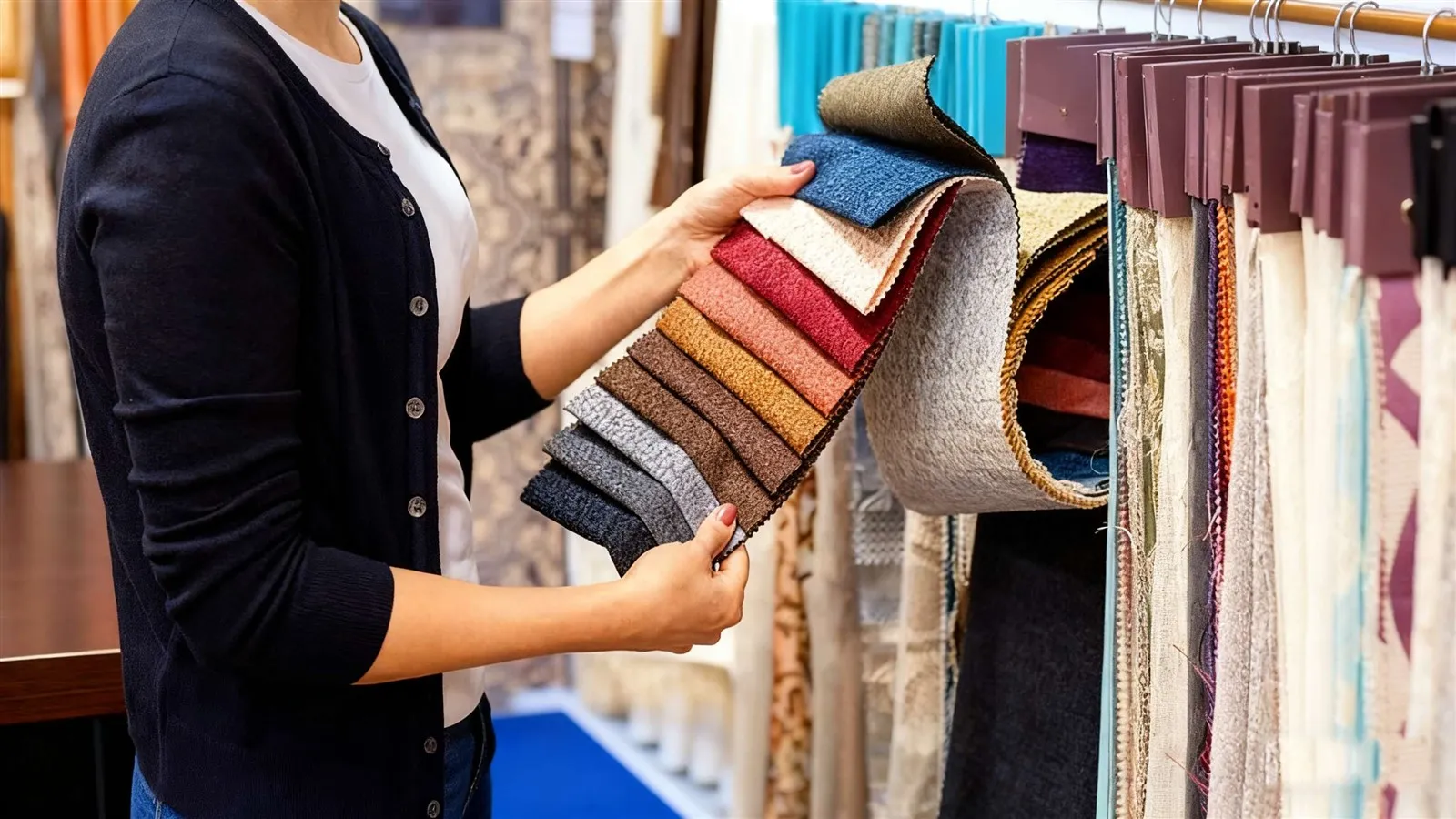
Your Premier Curtain Fabric Supplier in China
With 16 years of manufacturing experience, ZJLS can furnish you with all sorts of material material or curtain cloth, whether or not it’s for outside or indoor use.
Just ship us an inquiry about your curtain cloth project, and we can provide you a one-stop answer and top rate excellent curtain fabrics.
We accept custom orders for patterned fabrics. We welcome custom samples or can produce according to the designs shown in our product images.
The various processes displayed on the product page can be combined in any way; please inquire for pricing.
Price: Add us on WhatsApp/WeChat to get further data.
MOQ: Add us on WhatsApp/WeChat to get further data.
-
![Luxury Hotel Room Curtain Fabric]() Luxury Hotel Room Curtain Fabric
Luxury Hotel Room Curtain FabricComposition: 100% High-Grade Polyester
Read More
Technics / Process: Flocking
Width: 300cm (Standard Extra-Wide)
Weight: 400g/sqm (High Density)
MOQ: 500-800 Meters (Custom colors... -
![Premium Blackout Hotel Window Fabric]() Premium Blackout Hotel Window Fabric
Premium Blackout Hotel Window FabricLSR1036
Read More
Product Name: Premium Blackout Hotel Window Fabric
Composition: 100% High-Grade Polyester
Technics / Process: Multi-Layer Coating Composite (White Base + Black Film +... -
![Durable Commercial Blackout Drapery Fabric]() Durable Commercial Blackout Drapery Fabric
Durable Commercial Blackout Drapery FabricLSFH1050
Read More
Product Name: Durable Commercial Blackout Drapery Fabric
Composition: Starry linen base with black film composite coating
Technics / Process: Black film composite with... -
![High Density Flocked Curtain Fabric]() High Density Flocked Curtain Fabric
High Density Flocked Curtain FabricLSR1053
Read More
Product Name: High Density Flocked Curtain Fabric
Composition: Multi-layer composite (white base + black film + white layer + flocked finish)
Technics / Process: White... -
![Triple Layer Blackout Curtain Fabric]() Triple Layer Blackout Curtain Fabric
Triple Layer Blackout Curtain FabricItem Number: LSR1056
Read More
Available Widths : 280CM / 300CM / 320CM (Extra-wide for seamless installations)
Weight: 210 GSM (Grams per Square Meter)
Coating Structure: White Base +... -
![Flocked White Back Blackout Fabric]() Flocked White Back Blackout Fabric
Flocked White Back Blackout FabricModel: LSR1055
Read More
Product Name: Flocked White Back Blackout Fabric
Width Options:280 CM / 300 CM / 320 CM
Weight: 210 GSM
Construction: White Base + Black Film + White... -
![Bonded Linen Blackout Fabric]() Bonded Linen Blackout Fabric
Bonded Linen Blackout FabricModel: LSFH1052
Read More
Product Type: Bonded Linen Blackout Fabric
Fabric Width:280cm/300cm/320cm
Weight: 150 GSM
Technology: Double-Sided Black Film Bonding
Surface:... -
![Linen Texture Blackout Fabric Roll]() Linen Texture Blackout Fabric Roll
Linen Texture Blackout Fabric RollModel: LSFH1037
Read More
Width Options:280 cm/300 cm/320 cm
Weight: 170 GSM
Construction: Black film laminated with 55gsm linen-look fabric
Style: Linen Texture
Function:... -
![Beige Textured Curtain Fabric]() Beige Textured Curtain Fabric
Beige Textured Curtain FabricItem Number: LSR1071-B
Read More
Available Widths: 280CM / 300CM / 320CM (Extra-wide for seamless installations)
Weight: 200 GSM (Grams per Square Meter)
Coating Structure: White Base +... -
![Grey White Coated Curtain Fabric]() Grey White Coated Curtain Fabric
Grey White Coated Curtain FabricItem Number: LSR1071-A
Read More
Available Widths: 280CM / 300CM / 320CM (Extra-wide for seamless installations)
Weight: 200 GSM (Grams per Square Meter)
Coating Structure: White Base +... -
![Fine Weave Linen Curtain Fabric]() Fine Weave Linen Curtain Fabric
Fine Weave Linen Curtain FabricItem Number: LSR1069-B (Linen Blended)
Read More
Available Widths: 280CM / 300CM / 320CM (Extra-wide for seamless installations)
Weight: 220 GSM (Grams per Square Meter)
Coating Structure:... -
![Natural Look Linen Curtain Fabric]() Natural Look Linen Curtain Fabric
Natural Look Linen Curtain FabricItem Number: LSR1069-A (Linen Blended)
Read More
Available Widths: 280CM / 300CM / 320CM (Extra-wide for seamless installations)
Weight: 220 GSM (Grams per Square Meter)
Coating Structure:...




Premium Curtain Fabric Manufacturer | 16+ Years of Expertise | 100,000m Daily Output Key Changes:

Factory Capacity & Precision Manufacturing
150,000㎡ Automated Facility | 2.8 Million Meters/Month Production
4 automated production lines enabling 24/7 continuous manufacturing
500+ picks per minute weaving precision for defect-free results
Air Jet
Water Jet
Jacquard
Rapier Looms
Core Strengths
✅ 90,000 Meters/Day Blackout Fabric Output
✅ 3.6m Ultra-Wide Width Curtain Cloth Customization
✅ 72-Hour Rapid Prototyping + 10-Day Bulk Delivery
✅ 12+ advanced finishing options: flame-retardant, waterproof, antimicrobial, UV-resistant
Widely Applications
🏠 Home living room sheer curtains
🛏 Bedroom blackout curtains
🏥 Medical-grade antimicrobial curtains
🏢 Office partition curtains
🍽 Restaurant decorative drapes
🏖 Hotel resort beachfront curtains
🏟 Theater stage curtains
🏭 Industrial factory curtains
🚗 RV & caravan window curtains
🏡 Patio outdoor weatherproof curtains
Features Of Curtain Fabric
Opacity and Light Control
Different fabrics provide varying degrees of opacity, which affects how much light passes through. For instance, sheer fabrics like voile or lace allow a lot of light in, making them ideal for daytime use or spaces where privacy isn't a concern. On the other hand, heavier fabrics such as velvet or blackout curtains are excellent for complete light control and enhanced privacy .
01
Texture and Feel
The texture of curtain fabric can significantly impact the ambiance of a room. Luxurious fabrics like velvet or silk add a sense of opulence, while natural fibers like cotton or linen bring a more relaxed and comfortable feel. Textured fabrics can also play with light and shadow, adding depth to the decor .
02
Durability and Maintenance
Some fabrics are more durable and easier to maintain than others. For example, cotton and polyester blends are known for their strength and resistance to wear, making them suitable for high-traffic areas. In contrast, delicate fabrics like silk or chiffon require more careful handling and professional cleaning .
03
Style and Design
The choice of curtain fabric can greatly influence the overall style and design of a room. Contemporary curtains often feature innovative materials and textures, while traditional styles might opt for more classic fabrics like damask or brocade. The pattern and color of the fabric can also be tailored to match or complement existing decor .
04
Cost
The cost of curtain fabrics varies widely, ranging from economical options like polyester to premium choices like silk or custom-made velvet. Budget considerations should include not only the initial cost of the fabric but also potential expenses for hardware, lining, and professional installation .
05
Types of Curtain Fabric

1. Sheer Curtains: Typically made from lightweight, translucent fabrics like voile, chiffon, or lace. They are good for blocking direct sunlight and providing minimal privacy .
2. Velvet: Known for its luxurious feel and rich appearance, velvet curtains add elegance to any room. However, they require careful handling due to their delicate nature .
3. Silk: Offers a high-end, sophisticated look but requires special care to maintain its luster and prevent damage .
4. Linen: Provides a relaxed, natural look and is easy to maintain. It is a popular choice for creating a casual or bohemian atmosphere .
5. Cotton: A versatile and durable option that is easy to clean and comes in a variety of colors and patterns .
6. Chiffon: Lightweight and airy, chiffon curtains are often used for their sheer quality and elegant drape .
7. Lace: Adds a romantic and delicate touch to any room. Lace curtains are usually sheer and require gentle handling .

Advantages of curtain fabrics
Roller blind fabric can be used in a variety of ways, including:

Light blocking: Thicker fabrics and blackout fabrics block more light than sheer fabrics. You can test a fabric's light blocking ability by shining a flashlight through a swatch.
Privacy: Thicker fabrics and fabrics with linings offer more privacy.
Durability: Polyester is more durable than silk or linen and won't fade as easily.
Insulation: Heavier fabrics are more insulating and can help keep heat inside.
Maintenance: Some fabrics require professional cleaning, while others are machine washable.
Colorfastness: Colorfast fabrics won't fade or change color when exposed to sunlight.
Fabric type: Common curtain fabrics include cotton, linen, and velvet. Cotton is versatile and can be used for a range of styles, while velvet is usually light blocking.
Style: Choose a fabric that complements your interior style.
Pattern and color: Plain fabrics in solid colors are simple and elegant, while bolder patterns can create a statement piece.
Process Of Curtain Fabric
Cutting
Measure the desired length and width of the curtains, and cut the fabric to size. To make the curtains gathered, the fabric should be 1.5–3 times wider than the window.
Sewing
Pin the fabric and lining together, right sides facing. Sew the curtain from top to bottom with a half-inch seam allowance. Press the seams open, then turn the curtain right side out. Sew the bottom hem and the top hem, creating a rod pocket sleeve.
Pressing
Use an iron to remove wrinkles from the fabric. Keep the iron moving to avoid damaging the curtain.
Hanging
Hang the curtains.

Components Of Curtain Fabric
Curtain fabric is made up of various components that affect its color, pattern, texture, weight, and opacity. Some common curtain fabrics include:

Polyester
A durable, affordable, and wrinkle-resistant fabric that's a good choice for first-time curtain buyers.
Cotton
A versatile natural fabric that's easy to work with and suitable for all climates.
Velvet
A thick fabric that can help block light and sound, and is a good insulator for drafty windows.
Lace
A sheer fabric that diffuses natural light and can make a room feel open and airy. It's often used for small windows in kitchens and bathrooms.
Linen
A light, soft, natural fiber that can filter sunlight. Linen is also durable and resistant to mold and bacteria.
Silk
A natural fabric that drapes beautifully and can give a sumptuous look when interlined. Silk may have some imperfections in the weave, called slubs, which are not defects.
Voile
A lightweight woven fabric that's often used to create a light, airy feel to a room. Voile curtains are often made much wider than normal, up to 300cm wide.
Factors to Consider When Choosing Curtain Fabric
Privacy Needs: Determine how much privacy you require. Heavier fabrics like velvet or blackout curtains offer better privacy compared to sheer fabrics.
Light Control: Consider whether you need curtains to block out light completely or if you prefer some natural light to filter through.
Maintenance: Think about how much time and effort you are willing to spend on cleaning and maintaining the curtains. Some fabrics, like silk and velvet, require more delicate care.
Budget: The cost of curtain fabrics varies widely. Set a budget and choose fabrics that fit within it while meeting your needs.
Design and Aesthetic: Select a fabric that complements your room's decor and enhances its overall look.

About us
Lishun Textile is a modern textile company in China, specializing in the design, produc-tion and sales of apparel fabrics, home textiles and industrial textile materials. With high qualty, advanced equipments, environmental awareness and innovation, it has gained a strong reputation in both domestic and international markets

2009
Year Established
8
Production Line
20+
Quality Control Staffs
60+
Exporting Country
Our factory


Our Certificate

Our Exhibition


FAQS
Q: Is Curtain Fabric Recyclable?
A: Yes, many curtain fabrics can be recycled, especially natural fibers like cotton, linen, and hemp. Synthetic fabrics may require special recycling programs.
Q: Do Curtains Absorb Moisture?
A: Curtains made from natural fibers (cotton, linen) absorb more moisture, while synthetic fabrics (polyester) and treated fabrics resist it.
Q: How Do You Style Modern Curtains?
A: Modern curtains often look best when hung high and wide, using clean lines and neutral or bold colors depending on your decor. Sheer layers can add depth.
Q: What Material Are Luxury Curtains?
A: Luxury curtains are typically made from silk, velvet, linen blends, or high-quality cotton, often with hand-finished details.
Q: How To Select The Right Length For Your Curtains?
A: Measure from the curtain rod to where you want the curtains to end—floor-length for elegance, sill-length for a casual look.
Q: What Are The Different Ways To Hang Curtains?
A: Common hanging methods include rod pockets, tab tops, grommets, pinch pleats, and back tabs, each offering a different style and functionality.
Q: How Do You Choose Fabric For Your Curtains?
A: Consider light control, privacy, durability, and style. Sheer fabrics filter light, while heavy fabrics block it and insulate.
Q: Can You Wash Curtain Fabric?
A: Yes, most curtain fabrics can be washed, but check the care label. Some may require dry cleaning.
Q: Does Curtain Fabric Shrink After Washing?
A: Natural fabrics like cotton and linen can shrink if not pre-treated. Synthetic fabrics usually resist shrinking.
Q: Should You Wash Curtain Fabric Before Sewing?
A: Yes, it’s recommended to pre-wash curtain fabric to prevent shrinkage and color bleeding after sewing.
Q: How Often Do You Wash Fabric Curtains?
A: Curtains should be washed every 3–6 months, or more often in high-traffic or humid areas.
Q: How can you tell the quality of curtains?
A: High-quality curtains have tightly woven fabric, consistent stitching, and durable hardware. The fabric should feel substantial but drape well.
Q: What Curtains fabric does ZJLS offer?
A: ZJLS offers a wide range of curtain fabrics, including cotton, linen, polyester blends, silk, and velvet, suitable for residential and commercial use.
Q: What type of fabric is curtain?
A: The most common types of curtain fabric are cotton, silk, linen, polyester, velvet, acrylic, rayon, brocade, lace and voile.
Q: What should curtains be made out of?
A: Cotton fabrics, whether 100% cotton or a cotton/polyester mix are the most common and are great versatile fabrics that work well on any window. They tend to be lighter in weight than others and so should always be lined when using for curtains or blinds.
Q: How to work out fabric for curtains?
A: Most curtains require a minimum of double fullness depending on the heading and the look you want to achieve. We recommend using 2.5 times fullness to create a luxurious look. First, you will need to multiply the width of your rail by two. Divide this by the cut width of your fabric i.e 137cm/ 54”.
Q: What is curtain lining fabric?
A: Curtain lining is an extra layer of fabric sewn to the back of a curtain or roman blind. Whether you want to block out harmful sunlight, retain warmth during the colder months or make your curtains look as beautiful from the outside as they do inside, we have a range of cotton linings to suit every style of room.
Q: What weight should curtain fabric be?
A: A lightweight cotton fabric, around 140 GSM, will work well for blustery floaty curtains. For example, you might consider these if you need a summery solution for your kitchen. A lighter printed fabric works wonders for less formal settings, like our folk flowers cotton fabric.
Q: How much fabric do I need for curtains DIY?
A: For Standard Width Panels: Finished length of curtains + 16 inches divided by 36 = number of yards required. Add 1 extra yard (or one vertical repeat of the fabric) per pair if using a large print fabric.
Q: What is the formula for curtains?
A: A common rule for displaying curtains properly says the curtains finished width should be at least 2 times the width of your window (if not more) to achieve a look of proper fullness. Example: If your window measures 36" wide (window width x 2 = 72"), you need curtains that will give a minimum width of 72".
Q: Is upholstery fabric the same as curtain fabric?
A: Upholstery fabric is heavier, thicker, and stiffer than drapery fabric. This gives it a more substantial feel, though it doesn't always mean it's more durable than drapery fabric. The patterns of upholstery fabrics are created when the fabric is woven.
Q: What is thin curtain fabric called?
A: Voile. Voile is exceptionally sheer and lightweight. The fabric is woven and has a soft look and feel. Most of the time, it's 100% cotton, though polyester versions are available as well. Higher quality voile curtains have a fine surface and an excellent drape.
Q: Can you use any fabric for curtains?
A: Cotton, linen, polyester, silk, wool, rayon, acrylic, viscose, and mixes of these materials can all make quality drapery fabric.
Q: How wide should curtain fabric be?
A: As a general rule, the width of your curtains should be at least twice the width of your window (if not more) to achieve a look of fullness. So, if your window is 116cms (45.5 inches) in width, you need two curtains of at least 232cms (91 inches) in width in total.
Q: Should curtains be wider than the window?
A: To calculate curtain width, start by measuring the width of the window. Then multiply that number by 1.5 to 3 times, depending on the desired fullness and pleating style, says Kelly. "This ensures that when the curtains are drawn, they provide ample coverage and a visually appealing appearance," she says.
Q: What is the best fabric to line curtains?
A: Cotton. Cotton is the most famous curtain lining. ...
Polyester. Polyester is a synthetic fibre that is strong and does not wrinkle easily. ...
Polycotton. Polycotton lining is made up of polyester and cotton. ...
Polycotton Sateen Twill.
Q: What fabric is commonly used for curtains?
A: What fabric is commonly used for curtains? The most popular curtain materials are cotton, linen, velvet, and weaves; all these fabrics are durable and will drape beautifully when hung.
Q: What fabric makes the best curtains?
A: Some of the best fabric options for curtains include cotton, linen, velvet, silk, polyester, and sheer fabrics like chiffon and voile. These fabrics offer a variety of choices in terms of texture, weight, and light-blocking capabilities, allowing you to find the perfect fit for your space and desired aesthetic.
Q: Is upholstery fabric the same as curtain fabric?
A: Upholstery fabric is heavier, thicker, and stiffer than drapery fabric. This gives it a more substantial feel, though it doesn't always mean it's more durable than drapery fabric. The patterns of upholstery fabrics are created when the fabric is woven.
Q: What is the lightest material for curtains?
A: Lightweight Curtain Fabrics often use natural fibers. Cotton and linen provide excellent breathability. Synthetic materials like polyester can also be light but may not offer the same cooling effect. Natural fibers absorb moisture, which helps keep rooms cool.
Q: What is thin curtain fabric called?
A: Muslin is a lightweight cotton fabric that's thin enough to use as a sheer curtain.
Q: What are thin see through curtains called?
A: Sheer Curtains, also known as Sheers are lightweight fabrics that cover over your windows, soften your home's lighting, and add an instant infusion of style into your interior decor. Sheer Curtains give you a measure of privacy, but are also well-matched for a layered window treatment.
Q: What are curtains constructed of?
A: A sheer or net curtain is one that is made from translucent fabric, such as a loosely woven polyester voile, silk or nylon made marquisette or ninon, and cotton lace, etc.