


The Australian residential landscape has shifted decisively toward open-plan living. While sweeping, interconnected spaces maximize natural light and airflow, they often introduce persistent acoustic and thermal challenges for homeowners. For interior designers, architects, and high-end window furnishing brands, sourcing the ideal textile that balances aesthetic elegance with environmental control is a constant priority.
Understanding how fabric weight, weave density, and yarn structure impact room performance is essential when specifying materials for premium projects.
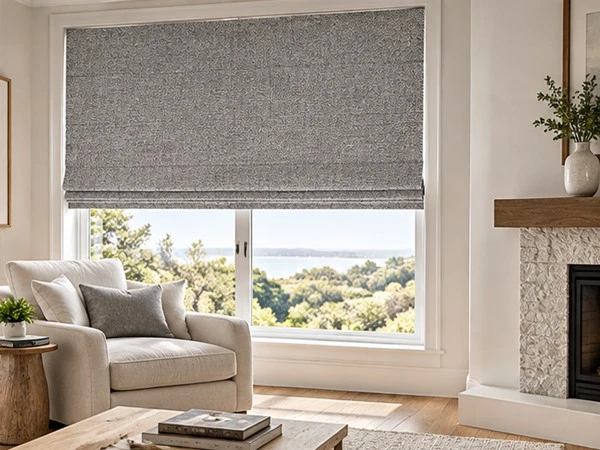

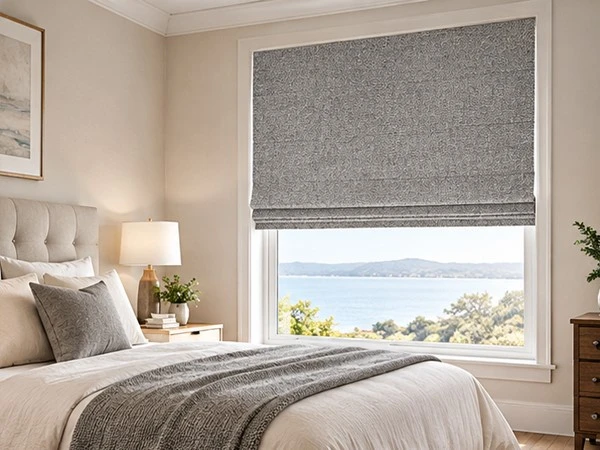
Why Do Open-Plan Australian Homes Need Specialized Window Fabrics?
Modern Australian architecture emphasizes seamless indoor-outdoor transitions, especially across transitional seasons like spring and summer. However, hard flooring surfaces and large glass panels frequently bounce sound waves around, leading to echo and lack of privacy.
When clients ask, "How can I reduce echo and manage harsh sunlight in a large open living room?" the solution begins at the window. Premium roman blind fabrics engineered with optimized density and specialized backing help provide an effective acoustic improvement, assisting in dampening ambient noise and reducing unwanted sound transfer between zones without sacrificing interior style.
How Does Fabric Weight and Weave Affect Thermal and Acoustic Performance?
A common question among procurement managers and design specifiers is: "What fabric density is best for sun control and noise management in residential interiors?"
The secret lies in the grams per square metre (GSM) and the tightness of the weave. Mid-to-heavyweight textiles-ranging from structured linens to multi-layered jacquards-offer dual advantages:
Thermal Regulation: Denser structures trap air within the fibers, which helps reduce heat transfer during peak Australian summer months, keeping interiors cooler and lowering air conditioning loads.
Acoustic Softening: Heavier drapery and roman blind materials absorb high-frequency sounds, contributing to a more serene indoor environment by providing a subtle yet noticeable acoustic enhancement.
What Makes Lishun a Trusted Partner for B2B Window Furnishing Brands?
For global wholesalers, fabric distributors, and custom blind manufacturers, partnering with a reliable textile mill is critical. At Lishun, we combine advanced weaving technology with stringent quality control to deliver high-performance textiles tailored to the international market.
Direct Mill Advantage: We manage the entire manufacturing lifecycle from yarn selection to finishing, ensuring consistent batch quality and competitive wholesale pricing.
Customized Solutions: We support OEM and ODM partnerships, offering custom GSM, bespoke color matching, and specialized eco-friendly finishes.
Global Compliance: Our fabrics meet strict international standards for colorfastness, durability, and environmental safety, giving B2B clients absolute confidence.


Conclusion
Selecting the right roman blind fabric goes beyond mere surface aesthetics-it is about engineering comfort. By balancing light diffusion, thermal efficiency, and subtle sound management, Lishun's textile collections empower brands to deliver exceptional spaces for discerning clients.
Contact our team today to request sample books, technical specifications, or discuss your next custom textile project.


