


The European home textile market is undergoing a structural shift. As the 2026 Autumn/Winter season approaches, green living and circular economy principles are no longer optional niches; they are baseline expectations for high-end interior projects. Designers and procurement managers across Europe are prioritizing materials that merge tactile richness with verified ecological integrity, particularly under strict regulatory frameworks like the Energy Performance of Buildings Directive (EPBD).
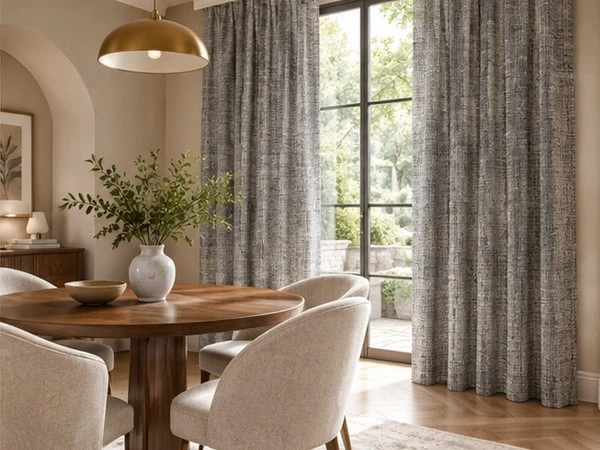
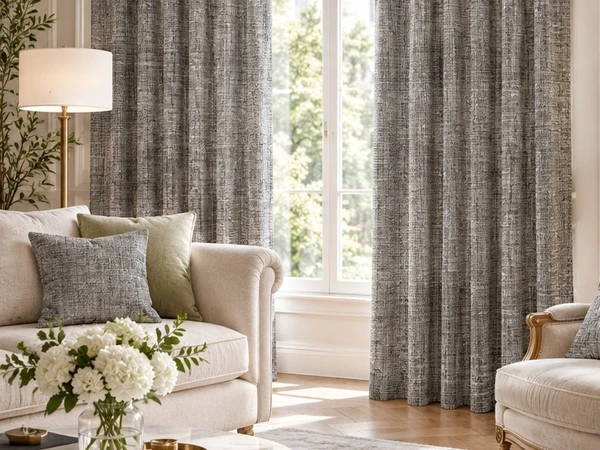
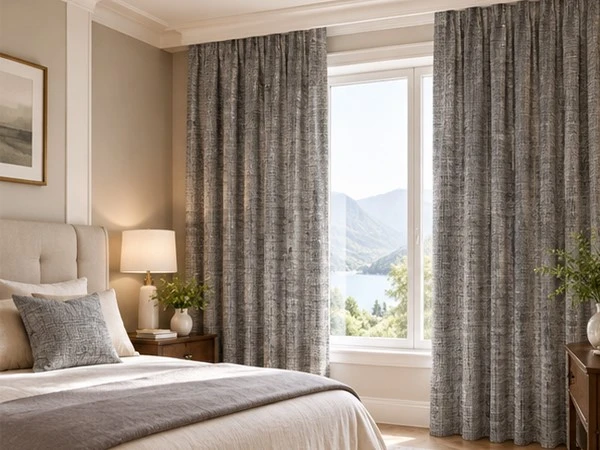
For B2B buyers sourcing window treatment inputs, the challenge lies in balancing breathability with structural weight. How can textile engineering deliver a refined drape while meeting rigorous sustainability standards? At Zhejiang Lishun Textile Technology Co., Ltd. (Lishun Textile), we answer this demand through precision manufacturing and advanced fiber innovation.
How to Balance Breathability and Weight in Sustainable Roman Blind Fabrics?
Achieving the ideal equilibrium between a substantial, luxurious hand-feel and optimal breathability requires meticulous control over weaving structures. Traditional heavy drapes often compromise interior airflow, whereas lightweight alternatives fail to provide the comforting enclosure expected in autumn and winter spaces.
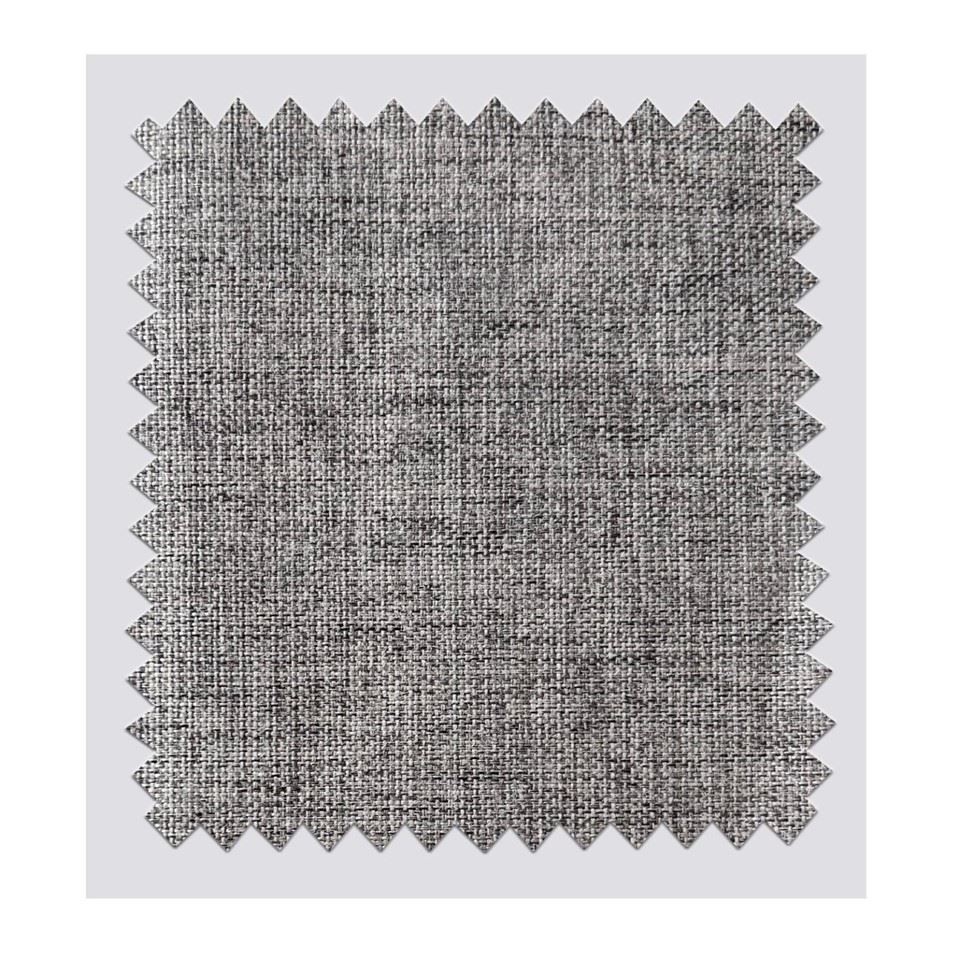
Lishun's R&D team-backed by over a decade of industry expertise and multiple authorized patents-employs optimized multi-layer weaving techniques. By selecting eco-friendly recycled fibers and precision-engineered yarns, our Roman blind fabrics maintain excellent air permeability while offering a dense, structured appearance. This delicate balance ensures that interiors remain fresh yet visually grounded, suiting the sophisticated demands of European eco-luxury.
Can Modern Window Fabrics Help Improve Building Energy Efficiency?
With European building regulations placing renewed emphasis on thermal management, interior textiles play an increasingly critical functional role. Procurement managers frequently ask how window treatments can actively contribute to a building's overall thermal profile.
While fabrics cannot single-handedly solve structural insulation, precision-crafted textiles act as a vital secondary barrier. Lishun's advanced fabric architectures are specifically engineered to assist in reducing heat transfer and elevating thermal regulation performance. By minimizing winter heat loss and blocking excessive summer solar gain, our specialized coatings and compact weaves support building energy conservation goals without sacrificing aesthetic elegance. Furthermore, these dense compositions contribute to a quieter indoor atmosphere by helping to reduce partial sound transmission and offering a notable degree of acoustic improvement in urban residential and hospitality projects.
Why Partner with Lishun Textile for Custom B2B Window Solutions?
Sourcing for large-scale architectural and hospitality projects demands a supplier that combines scalable capacity with uncompromising quality control. Established in 2009, Lishun Textile operates a state-of-the-art intelligent manufacturing base equipped with advanced air-jet looms and 8 specialized production lines.
Our core competitive advantages include:
Stringent Quality Assurance: A dedicated team of over 20 QC professionals monitors every phase-from raw material selection to final inspection-in strict accordance with ISO 9001 standards.
Robust Supply Chain Agility: With over one million meters of popular fabric inventory and structured stock systems, we ensure rapid order fulfillment and shortened lead times for international distributors.
Tailored OEM/ODM Customization: We collaborate closely with global B2B clients to adapt patterns, widths, and functional finishes (such as flame-retardant and triple-proof treatments) to exact project specifications.
Exporting to over 60 countries, Lishun combines deep technical craftsmanship with a collaborative, customer-centric approach. Partner with us to elevate your next collection with sustainable, high-performance Roman blind fabrics designed for the future of European interior design.


