Can Black Roman Blinds be Painted?
As a supplier of black Roman blinds, I often receive inquiries from customers about the possibility of painting these blinds. This is a question that not only reflects the customers' desire to customize their window treatments but also their concern about the practicality and durability of the painting process. In this blog, I will delve into the topic of whether black Roman blinds can be painted, exploring the pros and cons, the process involved, and some important considerations.
The Feasibility of Painting Black Roman Blinds
The short answer is yes, black Roman blinds can be painted. However, the success of the painting process depends on several factors, including the material of the blinds, the type of paint used, and the preparation work.
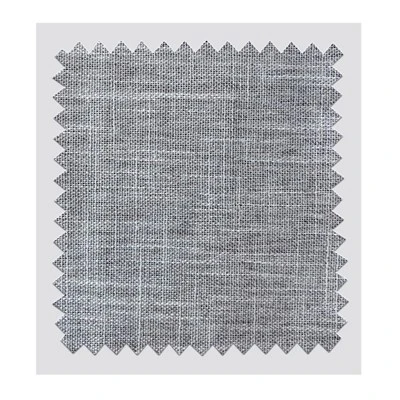
Most black Roman blinds are made from fabric, which is generally receptive to paint. However, different fabrics may have different levels of absorbency and texture, which can affect the final result. For example, a smooth, tightly woven fabric may provide a more even finish compared to a textured or loosely woven fabric.
When it comes to paint, it is important to choose a type that is suitable for fabric. Acrylic fabric paints are a popular choice as they are flexible, durable, and available in a wide range of colors. They also adhere well to fabric and can withstand regular use and cleaning.
Pros and Cons of Painting Black Roman Blinds
Pros
- Customization: Painting black Roman blinds allows you to create a unique look that matches your interior decor. You can choose any color or pattern that you like, giving you the freedom to express your personal style.
- Cost-effective: Instead of buying new blinds, painting your existing black Roman blinds can be a more budget-friendly option. It allows you to update the look of your windows without breaking the bank.
- Environmentally friendly: By reusing and repainting your blinds, you are reducing waste and contributing to a more sustainable lifestyle.
Cons
- Time-consuming: Painting black Roman blinds can be a time-consuming process, especially if you are doing it yourself. It requires careful preparation, multiple coats of paint, and drying time between each coat.
- Risk of damage: If not done correctly, painting can damage the fabric of the blinds. This can result in a patchy or uneven finish, or even cause the fabric to become brittle and tear.
- Limited durability: While fabric paints are designed to be durable, the painted surface may still be subject to wear and tear over time. This means that the color may fade or chip, especially in high-traffic areas.
The Painting Process
If you have decided to paint your black Roman blinds, here is a step-by-step guide to help you through the process:
- Remove the blinds: Start by removing the black Roman blinds from the window. This will make it easier to paint and ensure that you can reach all areas of the blinds.
- Clean the blinds: Thoroughly clean the blinds to remove any dust, dirt, or grease. You can use a mild detergent and water to clean the fabric, or a fabric cleaner specifically designed for blinds.
- Prepare the surface: Once the blinds are clean and dry, use a fine-grit sandpaper to gently sand the surface of the fabric. This will help the paint adhere better and create a smoother finish.
- Choose the paint: Select an acrylic fabric paint in the color of your choice. Make sure to choose a paint that is suitable for the type of fabric your blinds are made from.
- Apply the paint: Use a paintbrush or a spray gun to apply the paint to the blinds. Start with a thin coat and allow it to dry completely before applying additional coats. You may need to apply several coats to achieve the desired color and coverage.
- Let the paint dry: After applying the final coat of paint, allow the blinds to dry completely. This may take several hours or even days, depending on the type of paint and the environmental conditions.
- Reinstall the blinds: Once the paint is dry, reinstall the black Roman blinds on the window. Make sure to follow the manufacturer's instructions for installation.
Important Considerations
- Test the paint: Before painting the entire blind, it is a good idea to test the paint on a small, inconspicuous area of the fabric. This will allow you to see how the paint looks and how it adheres to the fabric.
- Protect the surrounding area: When painting the blinds, make sure to protect the surrounding area from paint splatters. You can use drop cloths or painter's tape to cover the floor, walls, and furniture.
- Follow the manufacturer's instructions: Different types of fabric and paint may have specific instructions for use. Make sure to read and follow the manufacturer's instructions carefully to ensure the best results.
- Consider professional help: If you are not confident in your painting skills or if you have a large or complex blind, you may want to consider hiring a professional painter. A professional can ensure that the painting is done correctly and that the blinds look their best.
Conclusion
In conclusion, black Roman blinds can be painted, but it is important to consider the pros and cons, the painting process, and the important considerations before making a decision. If you are willing to put in the time and effort, painting your black Roman blinds can be a great way to customize your window treatments and give your home a fresh new look.
If you are interested in purchasing black Roman blinds or have any questions about painting them, please feel free to contact us. We are a leading supplier of high-quality black Roman blinds, including Blinds To Go Roman, Superior Roman Shades, and Blackout Roman Shades. Our team of experts is always available to assist you with your window treatment needs.


References
- "Painting Fabric Blinds: A Step-by-Step Guide." DIY Network.
- "How to Paint Roman Blinds." The Spruce.
- "Fabric Paint: Tips and Tricks." Martha Stewart.