

As a supplier of Insulated Blackout Fabric, I often receive inquiries about the chemical resistance of our products. Chemical resistance is a crucial property, especially for fabrics that are used in various environments where they may come into contact with different chemicals. In this blog, I will delve into the concept of chemical resistance in insulated blackout fabric, its importance, and how our products perform in this aspect.
Understanding Chemical Resistance
Chemical resistance refers to a material's ability to withstand the action of chemicals without significant degradation. When it comes to insulated blackout fabric, this property is essential because the fabric may be exposed to a range of substances during its use. For example, in industrial settings, the fabric might encounter cleaning agents, solvents, or even chemical fumes. In a household environment, it could be exposed to common household chemicals like detergents and bleaches.
The chemical resistance of a fabric is determined by several factors, including the type of fibers used, the coating applied, and the manufacturing process. Different fibers have different levels of resistance to chemicals. For instance, synthetic fibers such as polyester are generally more resistant to many chemicals compared to natural fibers like cotton. The coating on the fabric also plays a vital role. A well - applied coating can act as a barrier, protecting the underlying fibers from chemical attack.
The Importance of Chemical Resistance in Insulated Blackout Fabric
- Longevity: A fabric with good chemical resistance will have a longer lifespan. When the fabric is resistant to chemicals, it can withstand regular cleaning and exposure to various substances without losing its structural integrity or performance. This means that the insulated blackout fabric can continue to provide effective insulation and blackout properties over an extended period.
- Safety: In some applications, such as in laboratories or industrial facilities, the fabric may come into contact with hazardous chemicals. A fabric with high chemical resistance can prevent the penetration of these chemicals, reducing the risk of exposure to the people using the fabric and protecting the surrounding environment.
- Performance Maintenance: Chemicals can affect the appearance and functionality of the fabric. For example, some chemicals may cause discoloration or weaken the fabric's strength. By having good chemical resistance, the fabric can maintain its appearance, insulation, and blackout capabilities, ensuring that it meets the user's requirements.
Our Insulated Blackout Fabric's Chemical Resistance
At our company, we take great pride in the chemical resistance of our insulated blackout fabric. Our fabric is made from high - quality synthetic fibers, which are inherently more resistant to chemicals. We also apply a Black Out Coating that not only enhances the blackout effect but also provides an additional layer of protection against chemicals.
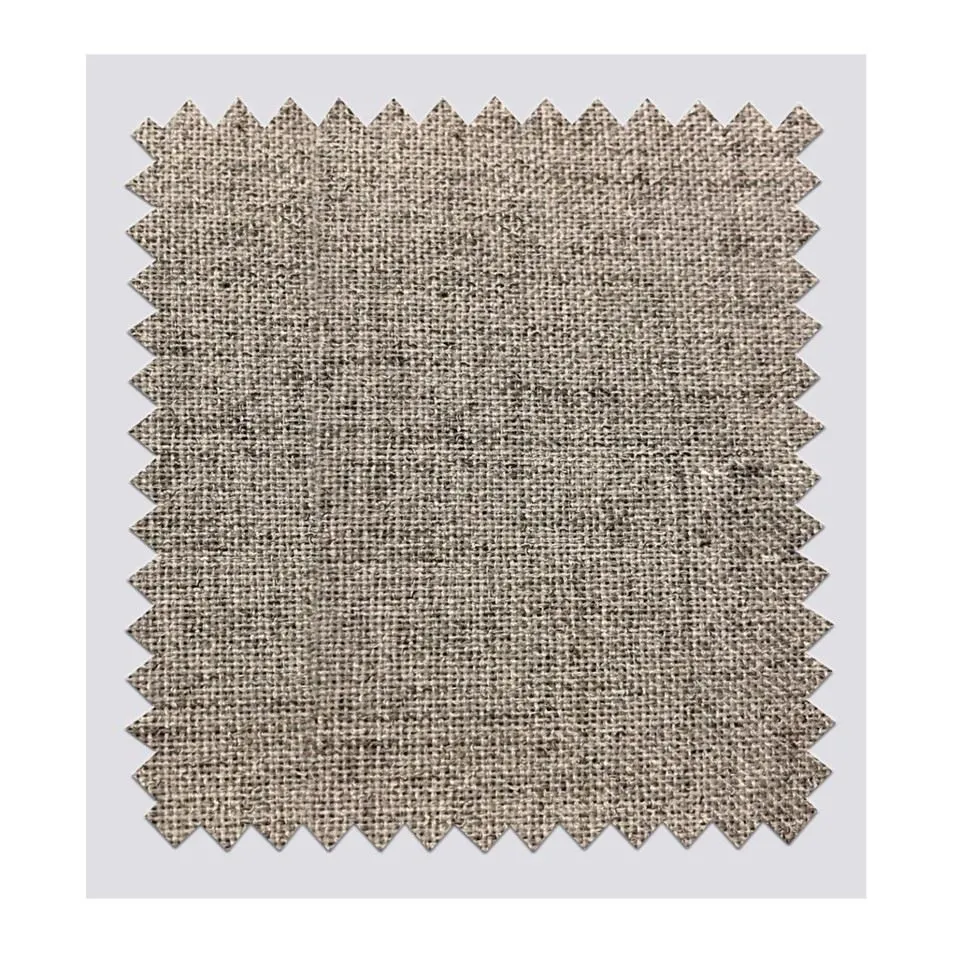

Our research and development team has conducted extensive tests on our fabric to evaluate its chemical resistance. We have exposed the fabric to a wide range of common chemicals, including acids, alkalis, solvents, and detergents. The results have shown that our fabric can withstand these chemicals without significant damage.
For example, when tested with mild acids, the fabric showed only minimal discoloration and no loss of strength. In the case of alkalis, the fabric remained intact and retained its insulation and blackout properties. Our fabric also demonstrated good resistance to common solvents, which is important for applications where the fabric may be cleaned with solvent - based cleaners.
Applications and Chemical Exposure
- Commercial Buildings: In commercial buildings, the insulated blackout fabric is often used in conference rooms, theaters, and hotels. These areas may be cleaned regularly with various cleaning agents. Our fabric's chemical resistance ensures that it can withstand the cleaning process without deteriorating. For instance, the fabric can resist the chemicals in common floor and window cleaners, maintaining its appearance and performance.
- Industrial Settings: In industrial environments, the fabric may be exposed to more aggressive chemicals. For example, in a chemical processing plant, the fabric could come into contact with strong acids or alkalis. Our fabric's high chemical resistance makes it suitable for such applications, providing a reliable barrier against chemical exposure.
- Residential Use: In homes, the insulated blackout fabric is commonly used for bedroom curtains. It may be washed with detergents and bleaches. Our fabric can withstand these household chemicals, ensuring that it remains in good condition after multiple washes.
Comparison with Other Fabrics
When compared to other types of fabrics, our insulated blackout fabric has a significant advantage in terms of chemical resistance. Many traditional fabrics, especially those made from natural fibers, are more susceptible to chemical damage. For example, cotton fabric can be easily damaged by acids and alkalis, and it may lose its strength and color when exposed to certain chemicals.
On the other hand, our fabric, with its synthetic fibers and protective coating, offers better resistance to a wider range of chemicals. This makes it a more durable and reliable choice for applications where chemical exposure is a concern.
Maintaining Chemical Resistance
To ensure that our insulated blackout fabric maintains its chemical resistance over time, we recommend following some simple guidelines. First, when cleaning the fabric, use mild cleaning agents that are suitable for synthetic fabrics. Avoid using harsh chemicals or abrasive cleaners, as these can damage the fabric's coating and reduce its chemical resistance.
Second, store the fabric in a dry and clean environment. Exposure to moisture and dirt can increase the risk of chemical reactions and damage to the fabric. By keeping the fabric clean and dry, you can extend its lifespan and maintain its chemical resistance.
Conclusion
The chemical resistance of insulated blackout fabric is a crucial property that determines its durability, safety, and performance. Our company's insulated blackout fabric offers excellent chemical resistance, thanks to its high - quality synthetic fibers and protective coating. Whether it is used in commercial buildings, industrial settings, or residential homes, our fabric can withstand the exposure to a wide range of chemicals, ensuring long - term performance.
If you are interested in our Blackout Fabric Shades or Composite Blackout Fabric, we encourage you to contact us for more information and to discuss your specific requirements. Our team of experts is ready to assist you in finding the perfect solution for your needs.
References
- Textile Chemistry and Technology, Third Edition, by Lewis, M.
- Handbook of Textile Fibre Structure Volume 1: Natural Fibres, by Hearle, J. W. S.
